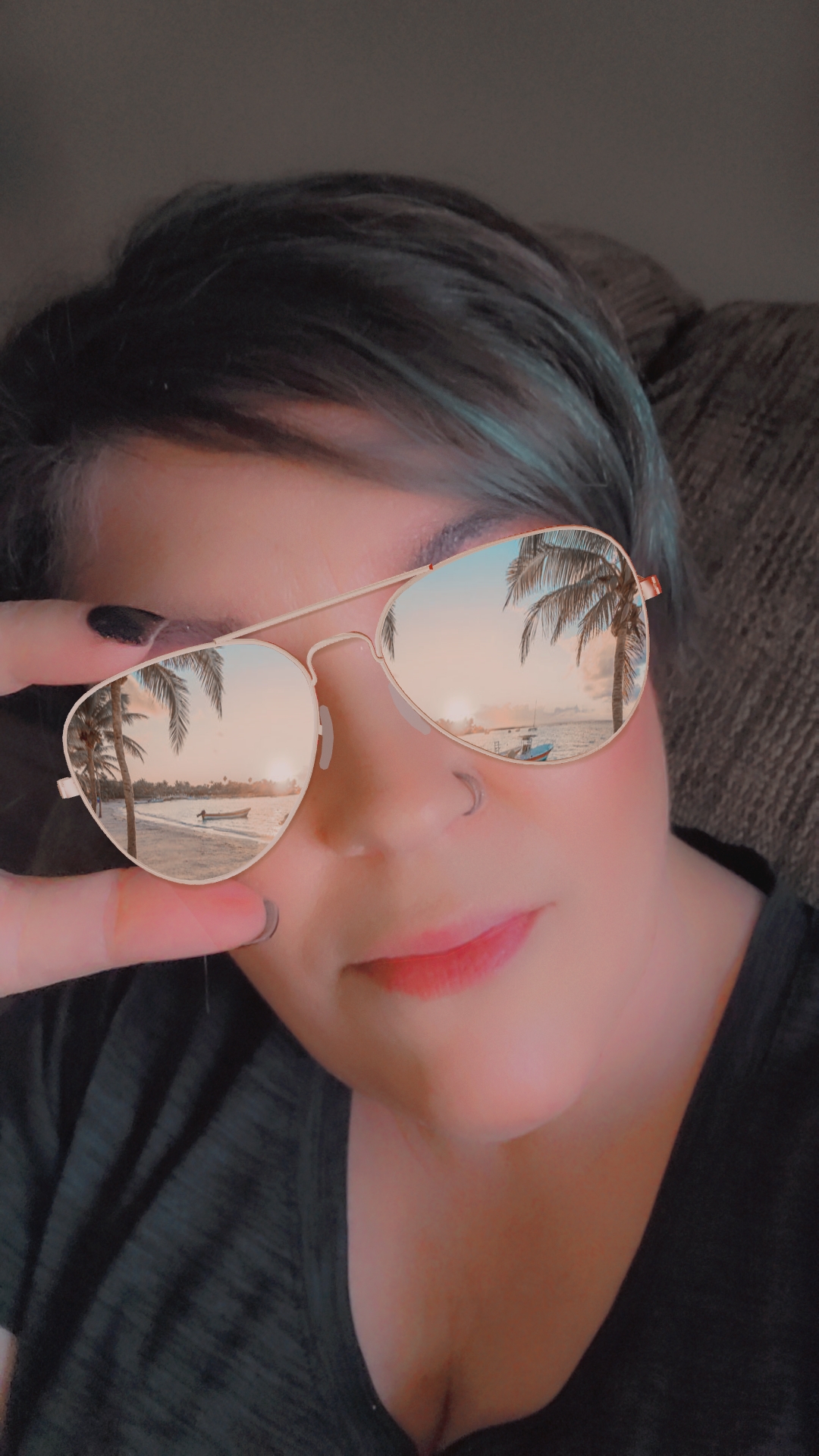
In the tapestry of my personality, my emotions are woven as vivid threads, not hidden behind the stoicism preferred by some nor stowed away into the secret chambers of the heart. Indeed, I am an open book when it comes to my emotions. This candidness, this ease with which I wear my heart on my sleeve, might very well stem from the warm blood of my Italian heritage. In the vibrant culture of Italy, emotions are not just felt; they are lived. To express oneself passionately is the fabric of daily life; from the impassioned discourse in the piazzas, to the emotive gesticulations that accompany every conversation. It’s this Italian ardor that runs through my veins, prompting a candor of the soul that refuses concealment.
Concealing what I feel has never been within my capabilities—nor my desires. While some may find solace in the shadows of restraint, I find robust honesty in the sunlight of expression. With me, transparency is the norm; there are no facades, no curtains to draw closed. Each smile, frown, or tear is a true reflection of the inner workings of my spirit—a spirit nurtured in a culture that venerates sincerity as the highest form of connection and communication.
What you observe in my expression is the unvarnished truth of my emotional state. It is not just a window, but an open door to my soul, inviting understanding, empathy, and, above all, an authentic human connection. It’s a characteristic that may leave me vulnerable at times, yet it’s a vulnerability I embrace as a testament to the honest life I lead. So when you see the joy that sparkles in my eyes like the Mediterranean sun or the sorrow that clouds my brow like the tempestuous skies over the Tuscan hills, know that you are witnessing the genuine emotions of a person shaped by a culture that celebrates, above all, the fullness of the human experience.
My heart is like the land of my ancestors—lush, passionate, and unmistakably alive. Yet, when the avenues for my emotional expression are impeded, it is akin to suppressing the natural chorus of life that clamors for release. If I am not allowed to express my true emotions, it creates a warzone within me, a tumultuous battle between the instinct for openness and the forces that demand silence. In this internal conflict, feelings do not merely lie dormant; they stir and swell like an ocean caught in a storm, with waves crashing against the cliffs of restraint. My emotions are soldiers in an unseen struggle, each one ready to fight for the right to be heard and acknowledged, no matter how uncomfortable it might make others feel. When my emotions are caged, pressure builds as inexorably as the tides, longing for release, demanding attention, often in more volatile and unpredictable ways. This suppression is anathema to my Italian heritage, which has taught me that emotions are not foes to be vanquished but voices to be honored. To stifle them is to quell the very essence that makes me vibrantly human. My soul, much like the dynamic streets of Rome, is not meant for silence but for the sounds of life—from the hearty laughter that echoes through family gatherings to the poignant sobs that accompany the trials of love and loss.
This is the inner struggle when I am shackled by restraint, a warzone within, waiting for the armistice that comes when I am finally free to be my authentic, emotional self.
 BORNWAPS